Regulation · Sugar tax · BRSA
French sugar tax on beverages 2026: rate schedule, price impact and assortment strategy for B2B wholesalers
CBS 2026 · 4 to 35+ cts/LCola +10.2% in 1 yearZero Sugar: 6× less taxProgressive brackets
Nécessaires au fonctionnement du site (popup newsletter, préférences). Ne peuvent pas être désactivés.
Mesure d'audience anonymisée — pages visitées, durée de session, type d'appareil. Aucune donnée publicitaire.
Polices de caractères chargées depuis les serveurs Google (Playfair Display, Source Sans 3).
The sugar tax on beverages — officially the Contribution sur les Boissons Non Alcooliques sucrées (CBS) — is a French tax introduced in 2012, deeply reformed in 2018, and significantly increased under the Finance Law 2025 (effective 1 January 2025). It applies to non-alcoholic beverages containing added sugars or synthetic sweeteners placed on the French market.
Its principle is simple but its effects are powerful: the sweeter the beverage, the higher the tax. This progressivity pursues two simultaneous goals — public health (reducing sugar consumption) and industrial incentive (pushing manufacturers to reformulate recipes by lowering sugar content to fall into a less penalising tax bracket).
One year after the new 2025 rate schedule came into force, panel data is clear. The average price of a cola increased by 10.2% in one year (Circana data, CAM to end February 2026) while volume sales fell by 1.8%. On the flat fruit drink segment (Oasis, Capri-Sun, etc.), price increases reached 10.6% with volumes down 5.2%. According to NielsenIQ, a quarter of volumes shifted to sugar-free products. The total tax bill for major beverage groups increased by 80% (Les Echos, March 2026).
| Added sugar content | 2026 rate (€/hl) | Per litre | Beverages concerned (examples) |
|---|---|---|---|
| Under 5 kg/hl (<5g/100ml) | 4.07 €/hl | ~4 cts/L | Light flavoured waters, certain iced teas |
| 5 to 8 kg/hl (5 to 8g/100ml) | 21.38 €/hl | ~21 cts/L | Oasis (by flavour), Fuze Tea, Schweppes Tonic |
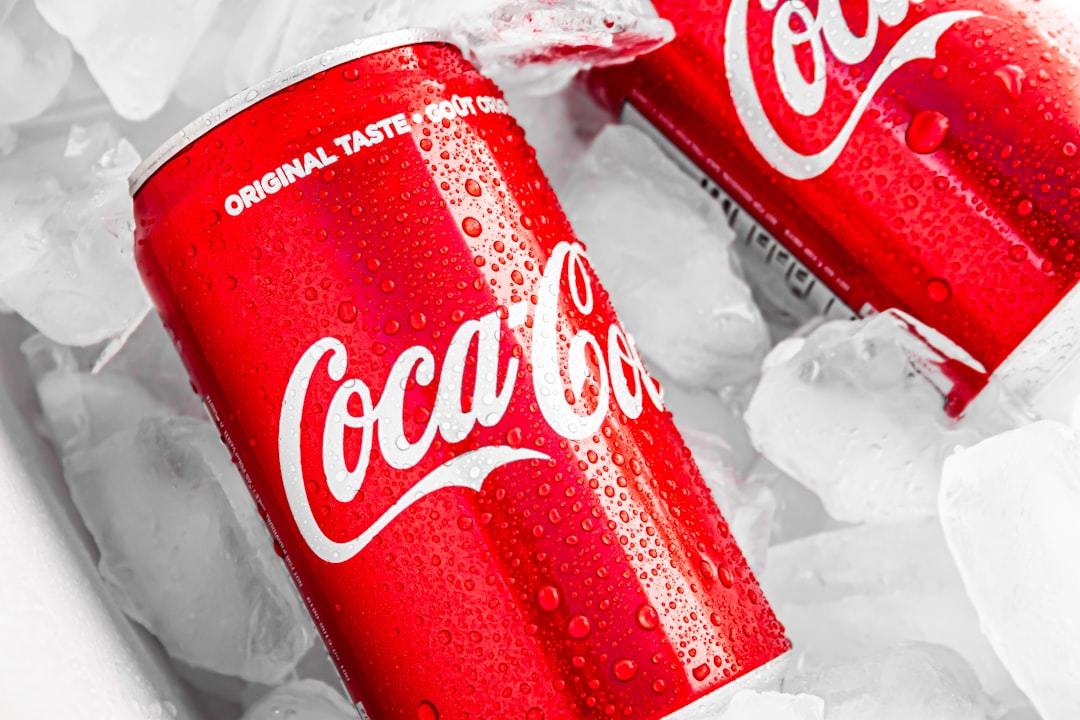
| Over 8 kg/hl (>8g/100ml) | 35+ €/hl | ~35 cts/L | Coca-Cola Classic, Fanta, Sprite, Dr Pepper |
The sweetener tax (beverages with synthetic sweeteners but no added sugar) was also reformed from 1 January 2026: 4.50 €/hl under 120 mg/L of sweeteners, and 6 €/hl above. Where a beverage contains both added sugars and sweeteners, both contributions apply cumulatively.
The tax is officially paid by manufacturers, importers and market placers — not directly by distributors. But in practice, it passes along the value chain like any production cost.
A B2B example: a standard pallet of Coca-Cola Classic 1.5L (sugar content ~10.6g/100ml — maximum tax bracket at ~35 cts/L). On a standard pallet of 54 cases × 6 bottles × 1.5L = 486 litres, the tax represents approximately €170 embedded in the manufacturer price. For a weekly delivery to a supermarket (2 pallets/week), that's ~€340/week of hidden tax in the purchase price — over €17,000/year in tax paid indirectly for this single product.
The growth of sugar-free ranges (Coca-Cola Zero Sugar, Monster Ultra, Red Bull Sugar Free, Oasis Zéro) is not only a response to consumer health expectations — it is also deliberate tax optimisation. A bottle of Coca-Cola Zero Sugar is taxed in the sweetener bracket (6€/hl maximum) versus 35+€/hl for the Classic version: six times less tax. For a B2B distributor, adding Zero ranges to the assortment also reduces sensitivity to future tax increases.
Reducing sugar content to fall into a lower tax bracket is the most direct response. Moving from 9g/100ml to 7.9g/100ml shifts a product from the "over 8kg/hl" bracket (35+ cts/L) to the "5 to 8kg/hl" bracket (21 cts/L) — a saving of 14 cts/L in tax, or €68 per pallet. Several own-label and regional brands have silently reformulated their recipes since 2025.
Avoidance strategies have begun to appear according to Les Echos (March 2026), whose legality is questioned. The tax authority is monitoring "documentary dilution" practices and import arrangements through third countries. These practices expose their operators to significant tax reassessments.
Finance laws are voted annually and CBS rates can be revised every 1 January. A wholesaler must therefore integrate this fiscal variable into annual pricing planning. Never commit to fixed prices over 12 months on sugary beverages without a revision clause linked to CBS evolution.
Partially substituting heavily taxed references (classic cola, classic fruit sodas) with lightly or un-taxed references (zero sugar drinks, lightly sweetened flavoured waters) reduces the fiscal sensitivity of the portfolio without degrading consumer service.
An amendment adopted in October 2025 aimed to introduce a tax on all processed food products containing added sugars — far beyond beverages alone. This project, perceived as an existential threat by the food industry, triggered intense mobilisation and was ultimately pushed back or significantly diluted in parliamentary discussions. But the subject remains on the political agenda: the sugar tax trajectory is clearly upward over time. B2B distributors have every interest in anticipating this trend by developing assortments less dependent on the most heavily taxed references.
Martigane optimises your assortment by tax level. Quote within 24h from Lille.
Request a quote → ← All articlesB2B food wholesaler based in Lille — FR · BE · UK