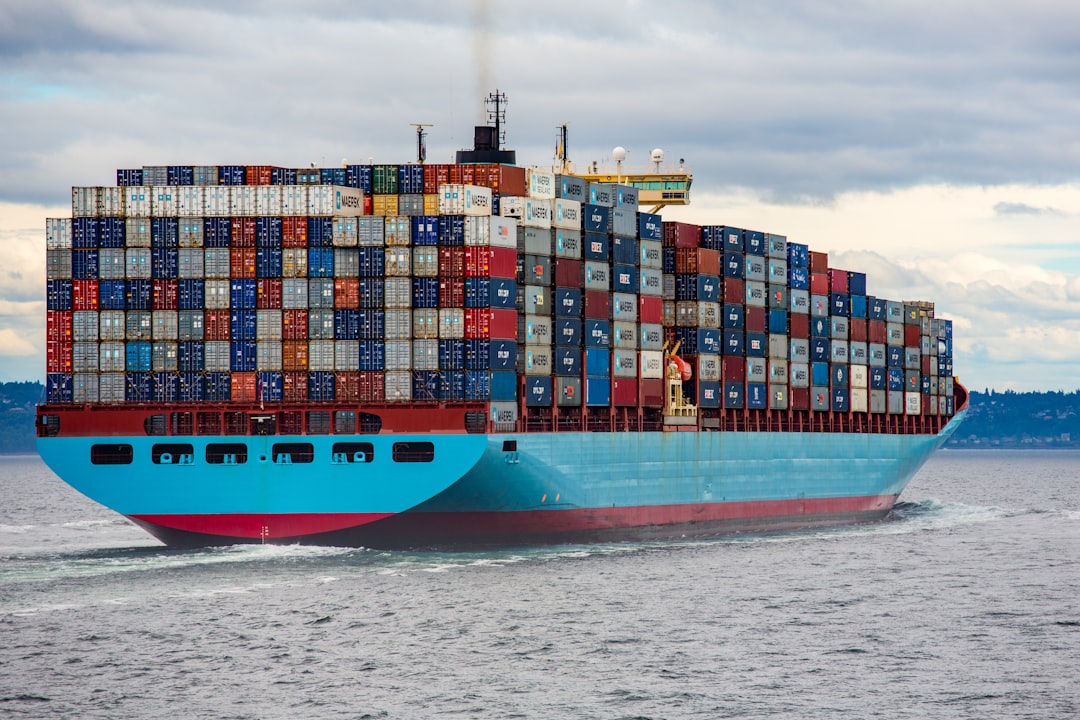
Logistics · Containers
Maritime Container Types in Food Export
Dry 20/40 feetReefer -25°C to +25°CVentilated containerPayload up to 28T
Nécessaires au fonctionnement du site (popup newsletter, préférences). Ne peuvent pas être désactivés.
Mesure d'audience anonymisée — pages visitées, durée de session, type d'appareil. Aucune donnée publicitaire.
Polices de caractères chargées depuis les serveurs Google (Playfair Display, Source Sans 3).
Container choice directly determines the feasibility, cost and safety of a food export shipment. Between standard dry, refrigerated and specialised containers, each type addresses specific temperature, weight and cargo nature constraints. A wrong choice can result in total cargo deterioration — a risk every B2B buyer must understand before negotiating a maritime Incoterm.
The standard dry container, or Dry Van (DV), is the most common maritime transport format. Available in 20 feet and 40 feet, it suits all dry goods not requiring temperature control: rice, sugar, flour, canned goods, bottled or canned beverages, general dry grocery.
20-foot container (1 TEU): usable volume ≈ 33 m³, maximum payload ≈ 28 tonnes. 40-foot container (2 TEU): usable volume ≈ 67 m³, maximum payload ≈ 26-28 tonnes (limited by weight rather than volume for dense products). The 20-foot is often preferred for heavy, dense cargo (sugar, bagged rice) as the weight limit is reached before the volume limit; the 40-foot suits lighter or bulkier products better.
The refrigerated container (Reefer) integrates an autonomous cooling unit maintaining a constant temperature throughout transport, from −25°C to +25°C depending on setting. Essential for frozen meat, frozen fish, dairy products and any product requiring a continuous cold chain. Each Reefer container is equipped with an onboard temperature recorder, whose data is systematically provided to the buyer to prove cold chain compliance throughout transit.
Reefer container cost is significantly higher than standard Dry (+30 to 60% depending on corridors), due to the cooling unit's power consumption and specific technical maintenance. For exports to West Africa, electrical connection at the arrival port (and during any transshipment) is a major point requiring anticipation with the forwarder.
The Open Top container has a removable roof (tarpaulin or panels) allowing top loading — useful for bulk goods or equipment that cannot pass through standard rear doors. Rarely used in classic food trade, it finds application for some heavy food processing equipment shipped alongside goods.
Without side walls, the Flat Rack is reserved for very voluminous or atypically shaped loads. Rarely used for standard food products, it can be used for industrial equipment associated with a setup project (e.g. food processing machines).
Some products (green coffee, bagged cocoa, certain dried fruits) require natural ventilation to avoid condensation and mould during transit. The ventilated container has specific openings allowing air circulation without compromising rain-tightness.
| Product | Recommended container | Point of attention |
|---|---|---|
| Sugar, rice, flour (bags) | Dry 20ft | Weight limit reached before volume |
| Beverages (cans, PET) | Dry 40ft | Volume limit reached before weight |
| Frozen meat/fish | Reefer 20/40ft | Continuous power connection required |
| Green coffee, bagged cocoa | Ventilated container | Avoid condensation/mould |
For bulk commodities (sugar, oil, rice), we systematically use 20ft Dry containers to optimise the weight/volume ratio. For frozen meat and fish, our Reefer containers are equipped with temperature recorders whose readings are sent to each client with shipping documentation.
Our team replies within 24h — B2B quotes and advice from Lille.
Contact us → ← All articlesB2B food wholesaler based in Lille — FR · BE · UK