Market News · K-Food
Market News: K-Food Trend 2026 — Spectacular Growth and Korean Brand Strategies
Korea→France export +11.4%Certain products +400%Buldak double-digit growthBibigo: European plants
Nécessaires au fonctionnement du site (popup newsletter, préférences). Ne peuvent pas être désactivés.
Mesure d'audience anonymisée — pages visitées, durée de session, type d'appareil. Aucune donnée publicitaire.
Polices de caractères chargées depuis les serveurs Google (Playfair Display, Source Sans 3).
The K-Food phenomenon is no longer an emerging trend but a structuring commercial reality for food distribution in Europe. Driven by Korean cultural soft power — K-Pop, dramas, cinema — the appeal of Korean cuisine has translated into spectacular commercial growth that now requires B2B distributors to durably integrate this category into their assortment strategy.
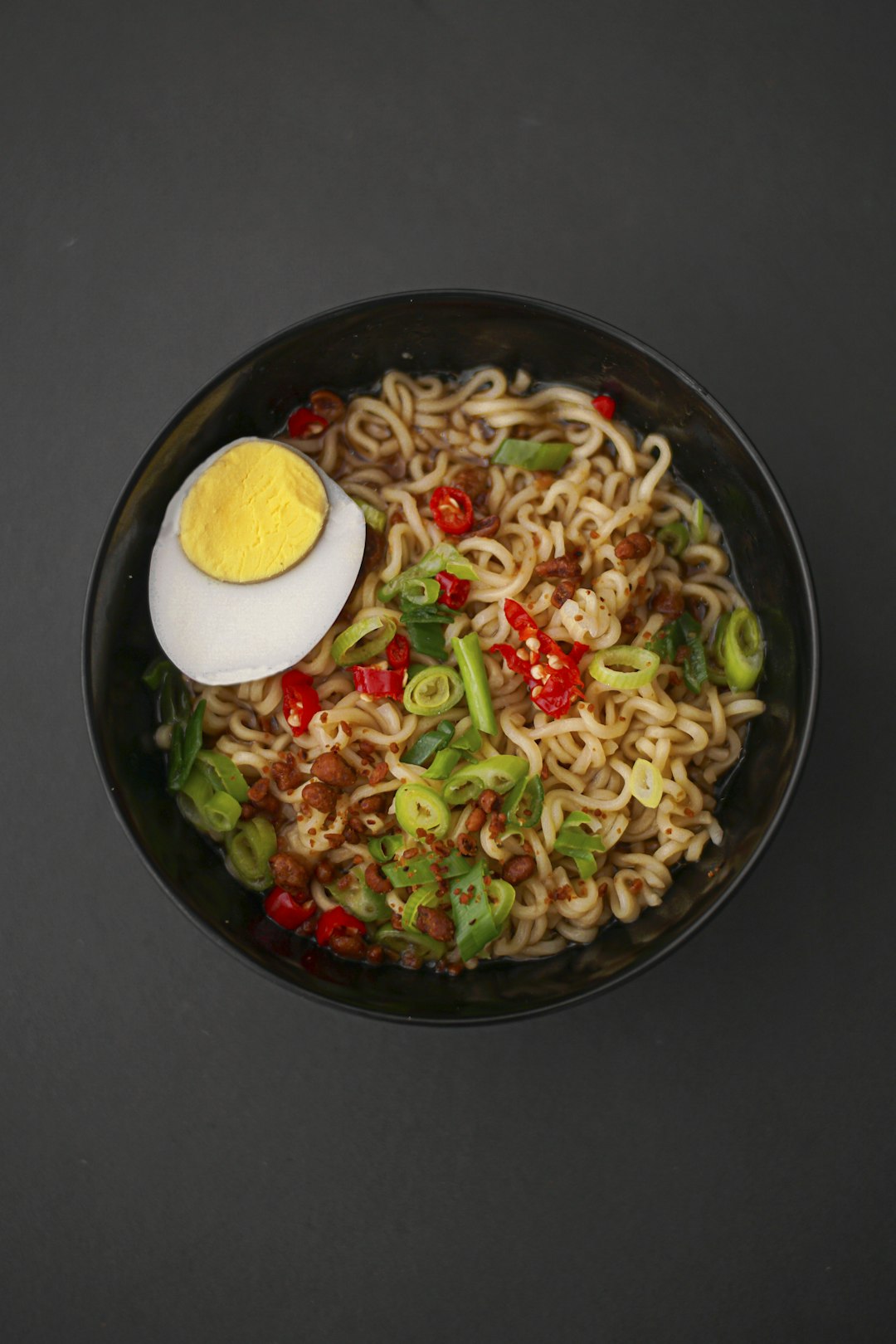
The Korean food export market to France reached 80 million euros in 2023, with growth of +11.4% in 2024. Even more spectacular, some sources report a 400% sales increase in France for specific products. Korean instant noodle brands recorded double-digit growth in European supermarkets in 2025, with German and French consumers massively shifting toward these spicy, umami-rich flavour profiles, previously confined to specialty grocers.
K-Food's rise is largely explained by the massive spread of Korean cultural content. Historical dramas featuring Korean gastronomy had a direct, measurable impact on sales — the success of the series Extraordinary Attorney Woo boosted gimbap popularity, while the recent K-Pop Demon Hunters phenomenon pushed manufacturer Nongshim, the leading Korean instant noodle producer, to integrate film characters into its packaging via a Netflix collaboration.
This dynamic illustrates a mechanism now well identified by savvy distributors: cultural content precedes and triggers product demand, creating commercial opportunity windows that must be anticipated rather than followed.
Samyang Foods' Buldak range perfectly illustrates the "blue ocean" growth dynamic identified by sector analysts: fewer direct competitors able to match its viral brand image, Amazon sales volume exceeding 20,000 units per month, and an embraced premium price (around 7.48 USD for a 5-pack on North American platforms). Samyang aims to increase its US market share to 23.9% by 2028.
Notable for European players: 80% of Samyang's revenue currently depends on the US market, creating exposure to risk from US tariffs — a factor that could accelerate the brand's diversification toward European markets in coming years, an opportunity worth watching for distributors.
Bibigo (CJ group), known for its mandu and fried chicken, illustrates a different strategy: rather than relying solely on exports, the brand built subsidiaries with production plants in Germany, the UK, the Netherlands and France (French implantation in May 2024), accompanied by a 45% increase in European market sales. The brand also strengthens its presence via cooking workshops led by Korean chefs in France, Italy and Sweden — a consumer education approach that accelerates adoption.
While instant noodles (ramyeon) remain the flagship and most exported product, the K-Food category is rapidly expanding according to Korean export market feedback: seaweed (kim), beverages, snacks (biscuits, chips, candy), rice-based processed products (tteok), sauces, kimchi and gochujang are among the fastest-growing segments. The French Korean food market is now identified by Korean exporters themselves as a strategic test market: succeeding in France, with its particularly strict labelling and quality standards, is seen as a guarantee of success for the rest of Europe.
Martigane distributes the Samyang Buldak range (Original, Carbonara, Cheese, Curry, Kimchi, Jjajang) in individual 140g formats and multi-packs, with active monitoring of demand trends to anticipate shortages on the most popular references. For distributors looking to develop their K-Food shelf, we can offer support on range expansion beyond instant noodles.
Our team replies within 24h — B2B quotes and advice from Lille.
Contact us → ← All articlesB2B food wholesaler based in Lille — FR · BE · UK