Market News · Freight
Market News: Maritime Freight 2026 — Structural Overcapacity, Red Sea Detour and Conflict Surcharges
Suez traffic -50/70%Surcharges up to 4000 USD/cont.Capacity +3.5% vs demand +2%Transit +10-14 days
Nécessaires au fonctionnement du site (popup newsletter, préférences). Ne peuvent pas être désactivés.
Mesure d'audience anonymisée — pages visitées, durée de session, type d'appareil. Aucune donnée publicitaire.
Polices de caractères chargées depuis les serveurs Google (Playfair Display, Source Sans 3).
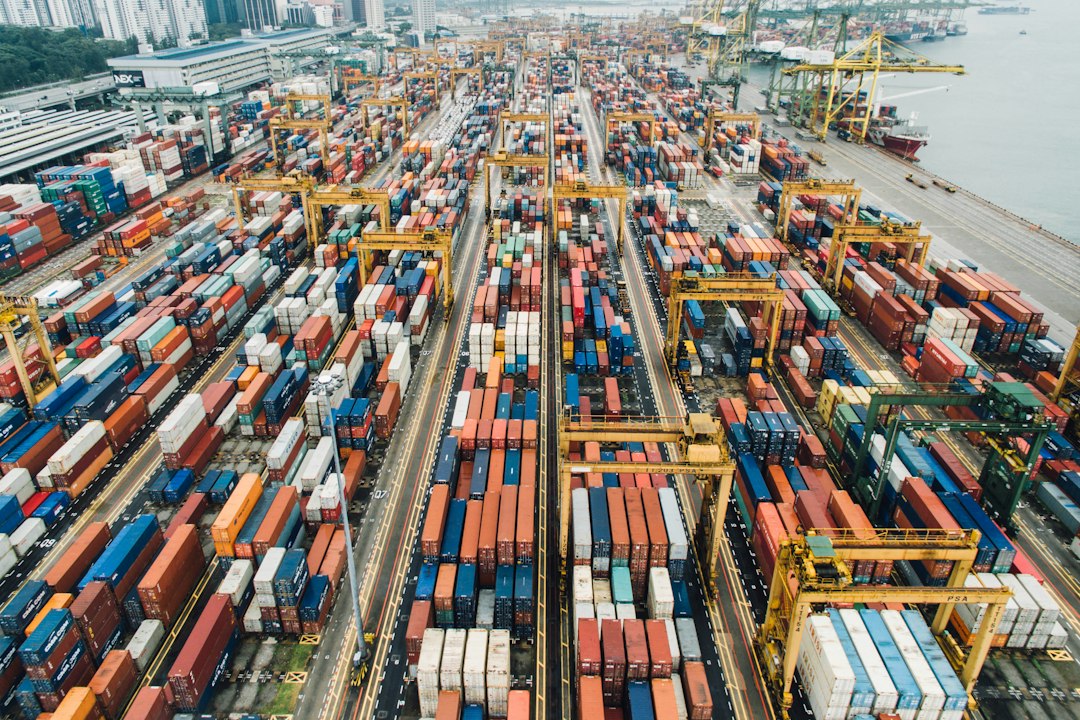
The container shipping sector enters 2026 in what experts call a "double pressure" phase: structural overcapacity from massive post-Covid containership orders on one side, and global demand curbed by protectionist customs policies and reshaped trade flows on the other.
Maritime Strategies International forecasts a 3.5% increase in global fleet capacity against only 2% demand growth — an asymmetry directly pressuring rates. On the China-US West Coast route, rates hover around 1,450 to 1,500 USD per container, a level deemed close to the breakeven threshold for many carriers according to Freightos. CMA CGM, the third largest carrier, has itself warned clients that 2026 looks set to be a "difficult year" for the sector.
The Cape of Good Hope detour around the Red Sea, imposed since late 2023 by Houthi attacks, continues to structure Asia-Europe trade routes in 2026. While the threat has partially eased, major carriers — including CMA CGM for its FAL1/FAL3/MEX services — maintain the detour citing a "complex international context". Suez traffic remains 50 to 70% below pre-crisis levels.
This systematic detour extends transit times by 10 to 14 additional days at sea compared to pre-crisis schedules for cargo shipped from the Orient to Europe — a factor every importer must build into procurement planning.
During Middle East tension escalations in March 2026, major carriers introduced Emergency Conflict Surcharges. Danish carrier Maersk applied surcharges reaching 1,800 USD for a 20-foot container and 3,000 USD for a 40-foot container on cargo bound for certain countries. French carrier CMA CGM introduced an ECS of 2,000 to 4,000 USD depending on container type on cargo to or from several Gulf and Red Sea zone countries.
For shipments to Africa specifically, these surcharges directly impacted the final cost of imported goods, with a risk of inflation passing through to African economies — a phenomenon already observed during previous Israeli-Palestinian conflict escalations in late 2023.
Drewry's World Container Index saw marked fluctuations throughout the first half of 2026. On the Shanghai-Rotterdam link, rates registered successive weekly increases of 3 to 5%, occasionally exceeding 2,550 USD/FEU. The Shanghai-Genoa link saw an even sharper increase, 12% in a single week during tension peaks. Carriers now impose emergency fuel surcharges of around 150 USD/TEU, revisable every two weeks — an unprecedented level of volatility seriously complicating budget predictability for importers.
To absorb this freight rate instability, Martigane works with several qualified freight forwarders per logistics corridor — never a single partner per route. For exports to Africa and the Middle East particularly exposed to conflict surcharges, we recommend clients build pricing flexibility into their forecast budgets and favour CIF Incoterms that transfer freight fluctuation risk to the seller rather than the final buyer.
Our team replies within 24h — B2B quotes and advice from Lille.
Contact us → ← All articlesB2B food wholesaler based in Lille — FR · BE · UK