International trade · Brokerage
Food Commodity Brokerage Firms: Role, Functions and Added Value
Multi-origin sourcingExport documentationCIF · FOB · DDPMartigane SAS
Nécessaires au fonctionnement du site (popup newsletter, préférences). Ne peuvent pas être désactivés.
Audience measurement anonymisée — pages visitées, durée de session, type d'appareil. Aucune donnée publicitaire.
Fonts loaded from Google servers (Playfair Display, Source Sans 3).
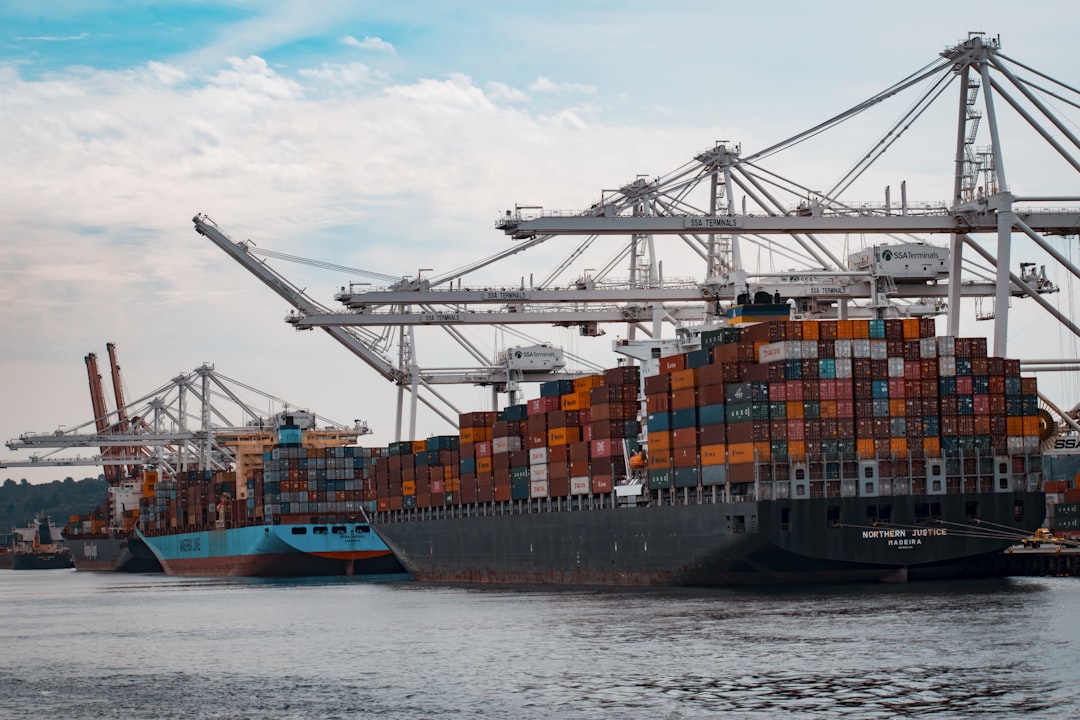
A commodity brokerage firm — also called a commodity trader or trading house — is a specialised intermediary that buys, sells and organises the delivery of raw materials between producers and end buyers. Unlike a simple commercial agent, the commodity trader takes a position on the goods: it buys for its own account, bears the logistics and price risks, and resells to its clients with a margin reflecting its expertise and added value.
The world's largest trading houses — Cargill, Louis Dreyfus Company, Viterra, Trafigura, Glencore — move trillions of dollars of commodities every year. But the commodity brokerage model also applies to human-scale structures specialising in a specific geographic area or product range. This is precisely the positioning of Martigane SAS in food commodities across Europe and towards Africa and the Middle East.
A broker in the strict sense never takes possession of the goods: they connect buyer and seller and receive a commission. A trader buys for their own account, bears the risks and earns a margin on resale. Martigane operates on a hybrid model: firm purchase for import-export operations and qualified introductions for volumes exceeding balance sheet capacity. In both cases, the added value is the same: product expertise, supplier network, mastered export documentation and organised logistics.
The primary added value of a food commodity trader is its network of qualified suppliers. Identifying reliable producers, auditing their regulatory compliance (IFS Food, BRC, ISO 22000, halal), verifying their production capacities and delivery track records — this is a long-term effort that most importers have neither the time nor the resources to carry out alone.
Martigane has built, through its operations, a network of partner producers and exporters across the main origins: Brazil (sugar, soya, green coffee, meats), Ukraine and Argentina (sunflower oil), Thailand and Vietnam (rice), Malaysia and Indonesia (palm oil), France, Germany, Belgium (flours, powdered milk, rapeseed oil).
Food commodity prices can vary by 20 to 50% within weeks due to weather, agricultural policies, geopolitical tensions or speculative movements. A brokerage firm protects its clients in two ways:
Transporting bulk sugar from Santos (Brazil) to Dakar (Senegal) or powdered milk from Lille to Jeddah (Saudi Arabia) involves a complex operational chain: vessel booking, coordination with freight forwarders, port agents, laycan management, demurrage control and final inland transport. Martigane coordinates this entire chain under CIF, FOB or DDP Incoterms.
Each destination country imposes its own documentary requirements: sanitary certificate (MAPA for Brazilian meats), halal certification (SISBRASIL or CDH), EUR.1, ONSSA (Morocco), GACC registration (China), UK EORI post-Brexit. Martigane prepares the complete export file before each shipment, eliminating the risk of customs hold-ups.
The commodity trader acts as a financial buffer between producers who want payment before shipment and buyers who need time to pay. Martigane accepts Documentary Letters of Credit (DLC/LC), works with SBLC (Standby Letter of Credit) for bulk transactions, and offers deferred payment terms (30–90 days) to established clients.
The global commodity brokerage market is dominated by a few giants: Cargill (USA, $165 billion revenue), Louis Dreyfus Company (Netherlands, $60 billion), Viterra, ADM and Bunge — the "ABCDE" of grain trading, controlling 70-80% of world soy, corn and wheat trade. Against these behemoths, regional specialist traders like Martigane SAS create value through responsiveness, specific market knowledge (West Africa, Maghreb) and the quality of client relationships.
From Lille — 30 min from Belgium, 2h30 from London, 3h from Amsterdam — Martigane delivers D+1 to Benelux and D+3 to the UK. No trader in Paris or the Netherlands can match this responsiveness for northern France clients.
You work directly with Fabien Thuilliez, Martigane's director. No intermediary sales rep, no 48h CRM response. A human, informed, committed reply within 24h.
The African market requires deep knowledge of local regulations, regional banking partners and port logistics constraints. Martigane has structured operations to Dakar, Abidjan, Casablanca, Lagos, Jeddah and Dubai.
Step 1 — Contact us with your need: product, volume, destination, preferred Incoterm and quality requirements (halal, organic, specific certification).
Step 2 — We reply within 48h with a detailed quote including product price, estimated freight, documentary costs and real port-to-port lead times.
Step 3 — After agreement, we issue the proforma invoice and organise financing (LC, SBLC or TT according to your profile).
Step 4 — We coordinate shipment, complete export documentation and tracking through to delivery at your warehouse or destination port.
Step 5 — Batch traceability kept for 5 years · Available for your internal quality audits.
Product, volume, destination, Incoterm — our team replies within 48h with a detailed quote.
Send a request → ← All our commoditiesFood wholesaler and commodity broker based in Lille — FR · BE · UK · Africa & Middle East export.