Green Coffee · Brazil Origin
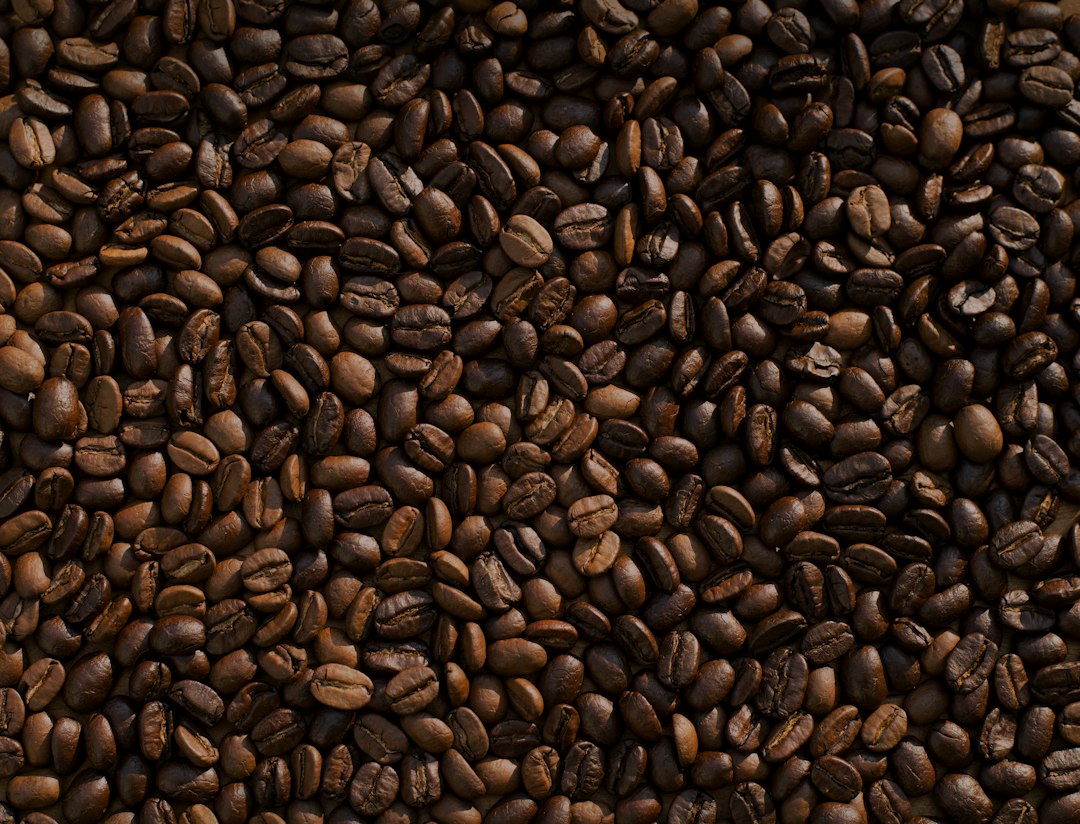
Green Coffee Arabica & Robusta
Arabica Fine Cup, Good Cup, Rio Minas — Robusta Conilon — 7 grades — CIF delivery worldwide
ArabicaRobusta/ConilonCIF · FOBBrazil Origin
Nécessaires au fonctionnement du site (popup newsletter, préférences). Ne peuvent pas être désactivés.
Audience measurement anonymisée — pages visitées, durée de session, type d'appareil. Aucune donnée publicitaire.
Fonts loaded from Google servers (Playfair Display, Source Sans 3).
Arabica Fine Cup, Good Cup, Rio Minas — Robusta Conilon — 7 grades — CIF delivery worldwide
| Available grades | Arabica Fine Cup, Good Cup, Rio Minas · Robusta/Conilon |
| Bean size (Screen) | 15/16, 17/18 (Arabica) · 13 UP (Robusta) |
| Origin | Brazil (Minas Gerais, São Paulo, Paraná, Espírito Santo) |
| Moisture | ≤ 12.5% |
| Defects | Fine Cup ≤ 6 · Good Cup ≤ 26 · Rio Minas ≤ 86 (SCA classification) |
| Packaging | Jute or GrainPro bags 60 kg · Big bags 1,000 kg on request |
| Minimum volume | 1 × 20' container (~15 MT) |
| Incoterms | CIF, FOB, CFR |
| Payment | Irrevocable LC, TT 30 days |
Brazil has been the world's leading coffee producer and exporter for over 150 years, accounting for approximately 30 to 35% of global production. The country produces both arabica (80% of output) and robusta/conilon (20%), offering a unique range of cup profiles for all markets.
The exceptional quality of Brazilian green coffee stems from its diverse terroirs: the Minas Gerais plateaus at 700–1,200 m altitude for fine arabicas, the valleys of Espírito Santo for high-yield conilon, and the mechanised plains of Paraná and São Paulo for industrial volumes.
The Specialty Coffee Association (SCA) grades green coffees based on a defect count system and cup-quality scoring. A Fine Cup (specialty) scores ≥ 80/100 in cupping, with fewer than 6 defects. Good Cup (superior commercial) allows up to 26 defects — ideal for retail and food service. Rio Minas presents a characteristic iodic note highly valued in Italy and Portugal for powerful espresso blends.
Brazilian green coffee is classified by two complementary criteria: bean size (screen) measured in 64ths of an inch, and cup quality assessed by certified Q-Grader tasters. A Screen 17/18 guarantees uniform beans of 6.75 to 7.14 mm, ensuring even roasting and balanced extraction.
Each shipment includes: certificate of origin (ICO — International Coffee Organization), phytosanitary certificate, laboratory analysis certificate (monthsture, defects, screen), packing list and bill of lading (B/L). SGS or Bureau Veritas inspection available on request. Fumigation available for destinations requiring methyl bromide treatment.