Grains · Bulk maritime · Brazil origin
Grains — Soybean, Corn, Soybean Meal & Wheat
Bulk Handysize to Capesize · 12,500 to 200,000 MT · CIF all ports · FOB Santos · Paranaguá · Rio Grande
Non-GMO availableMin. 12,500 MTCIF · FOBSBLC · DLC
Nécessaires au fonctionnement du site (popup newsletter, préférences). Ne peuvent pas être désactivés.
Audience measurement anonymisée — pages visitées, durée de session, type d'appareil. Aucune donnée publicitaire.
Fonts loaded from Google servers (Playfair Display, Source Sans 3).
Bulk Handysize to Capesize · 12,500 to 200,000 MT · CIF all ports · FOB Santos · Paranaguá · Rio Grande
| Available products | Soybean · Corn · Soybean meal · Wheat 11.5% protein |
| Origin | Brazil (Mato Grosso, Paraná, Rio Grande do Sul, Goiás) |
| Soybean: monthsture | ≤ 13% · Impurities ≤ 1% · Non-GMO IP cert. available |
| Corn: quality | Yellow Corn No. 2 · Moisture ≤ 14% · Aflatoxins < 20 ppb |
| Soybean meal | Protein 46–48% · Moisture ≤ 12% · Crude fibre ≤ 7% |
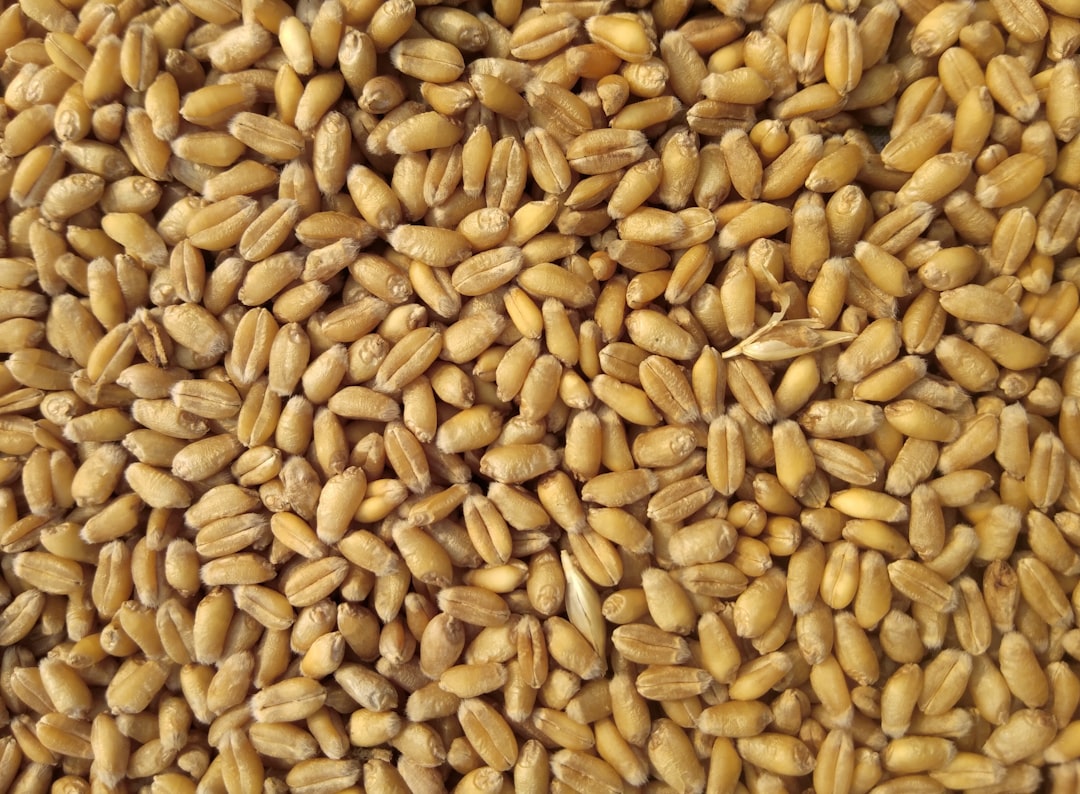
| Wheat: specifications | Protein ≥ 11.5% · Hagberg > 200s · Zeleny > 22 |
| Minimum volume (MOQ) | 12,500 MT (one Handysize vessel) |
| Incoterms | CIF (bulk maritime) · FOB (container) |
| Payment | SBLC (Standby LC) · DLC (Documentary LC) |
In under 40 years, Brazil has become the world's leading soybean exporter and one of the foremost exporters of corn and sugar. This performance is built on the vastness of the Cerrado — the tropical plateau of central-western Brazil — whose 200 million hectares of farmland, exceptional sunlight and regular rainfall create ideal conditions for large-scale agriculture.
Brazilian soybean exports exceed 100 million tonnes per year (2024/2025), shipped from the ports of Santos, Paranaguá and Rio Grande to Asia (led by China), Europe and the Middle East. Brazilian corn exports exceed 50 million tonnes annually, primarily to South-East Asia, Africa and the Near East.
Soybean meal is the solid by-product obtained after soybean oil extraction by pressing and solvent (hexane). It contains 46 to 48% crude protein, making it the primary protein ingredient in compound feed for poultry (chickens, turkeys), pigs and aquaculture fish. Global demand is driven by growing animal production in Asia and sub-Saharan Africa.
Every shipment systematically includes: analysis certificate (monthsture, protein, aflatoxins — SGS or Bureau Veritas laboratory), Brazilian phytosanitary certificate, certificate of origin (Brazilian Chamber of Commerce), bill of lading (B/L), packing list and customs invoice. Non-GMO certificate (IP certificate) available on request for soybean.